upcoming
XIAN, Rauscherstr. 17, 1200 Wien
28.6.'24 - 19:00 Eröffnung
26.7.'24 - 19:00 Finissage
Gruppenausstellung
Anja Nowak, Anna Meyer, Anneliese Oberdanner, Arnold Berger, Christian Stock, Christiane Reiter, Daniel Amin Zaman, Eduard Tauss, Fabian Seiz, Frederik Foert, Fulterer-Scherrer, Georg Frauenschuh, Gerlind Zeilner, Herbert de Colle, Horst Stein, Klaus Pamminger, Kosta Tonev, Ma Jia, Mari Otberg, Peter Köllerer, Rouven Dürr, Tom Eller, Victoria Tremmel, Wolfgang Bender
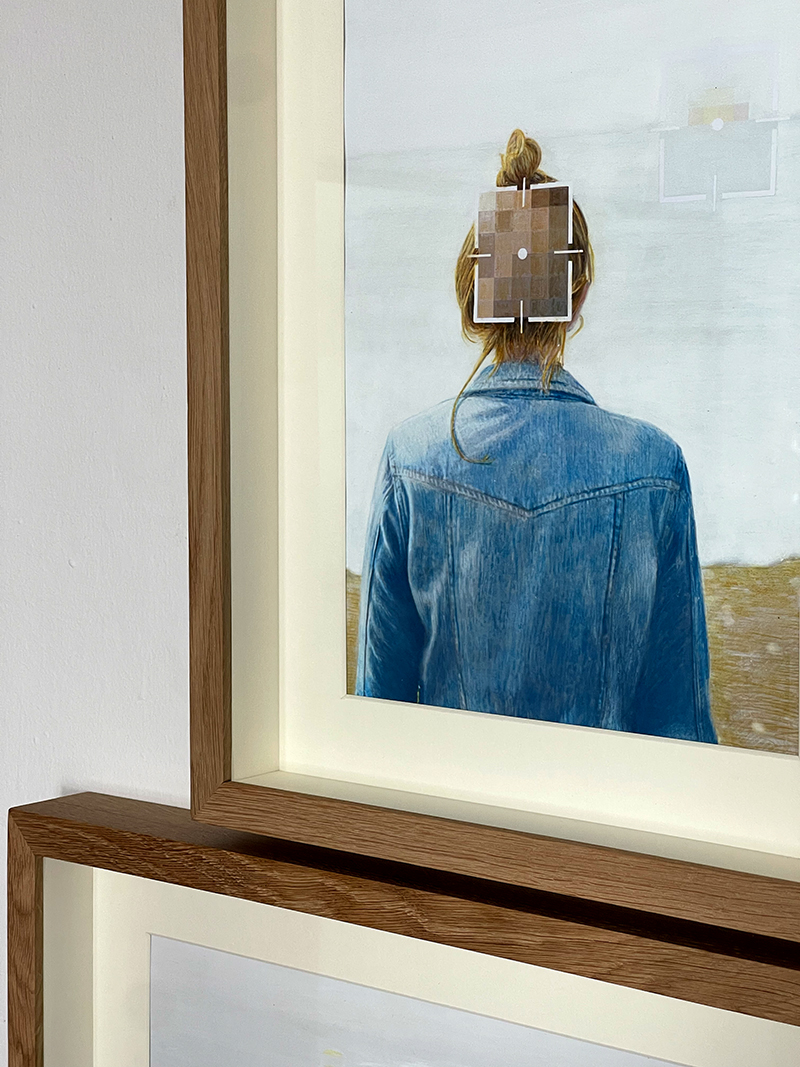
Farbstift-Zeichnung, Eichenrahmen, 2024
CLEAR VIEW - jeans (Detail)
.............
next 2024:
.....................
ganzseitiges Menschenportrait zu Horst Stein in "DiePresse"
link: www.diepresse.com
+ Print
....................
aktuell 2024:
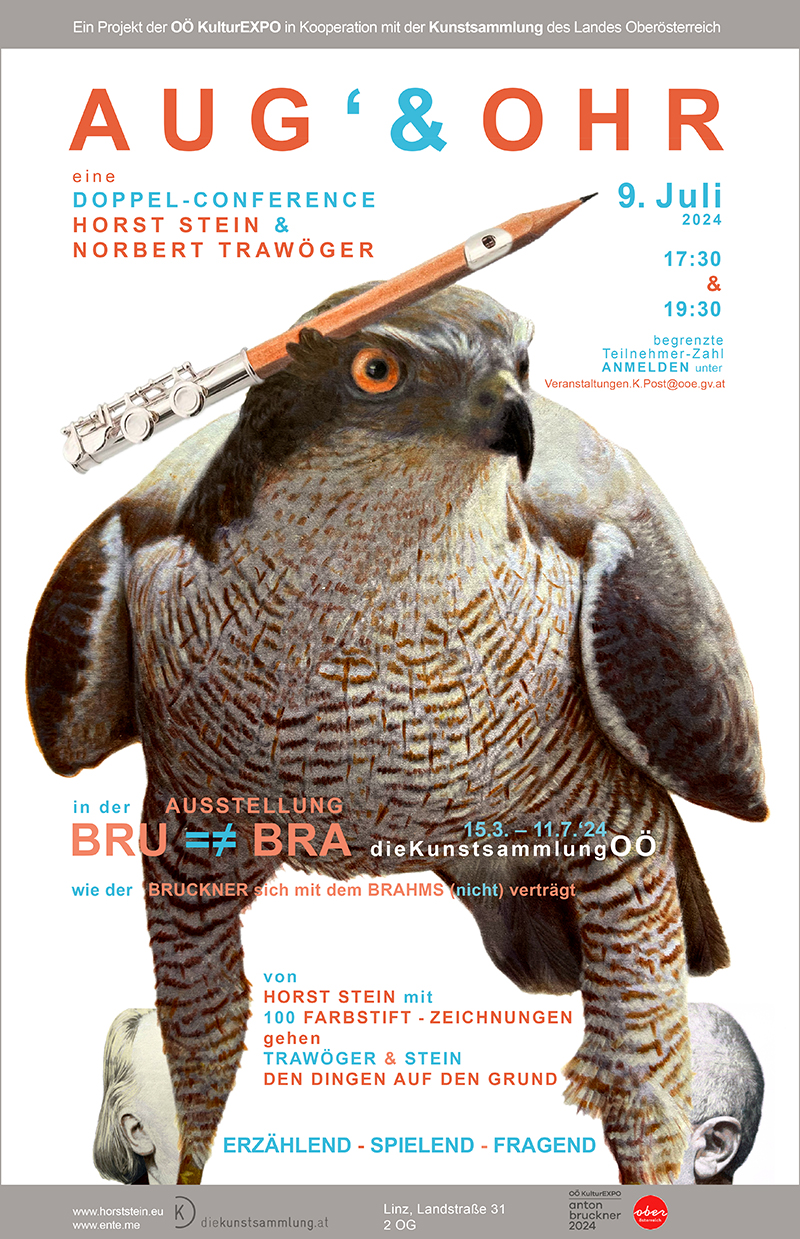
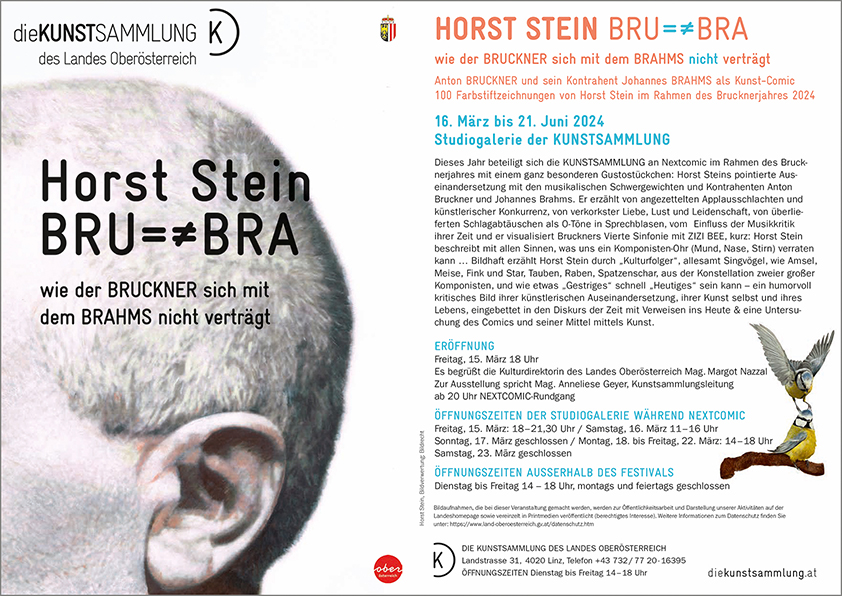
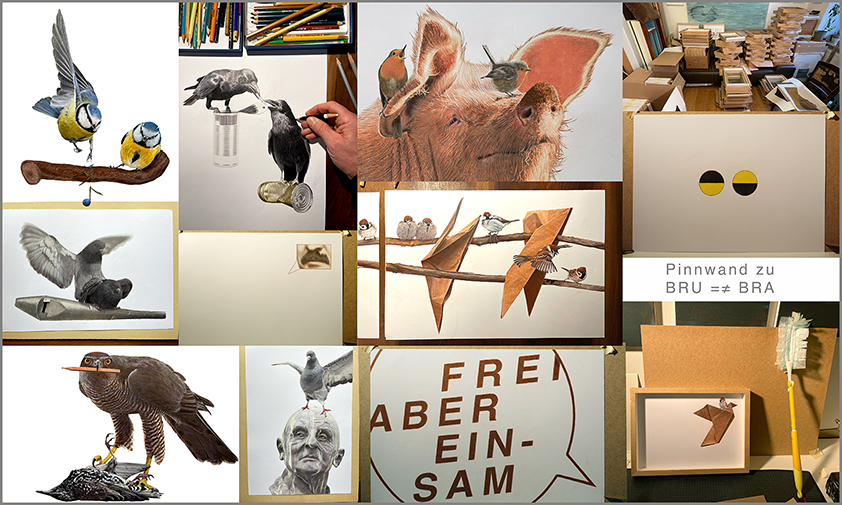
BRU=≠BRA
wie sich der Bruckner mit dem Brahms nicht verträgt
Einzel-Ausstellung - die Kunstsammlung OÖ
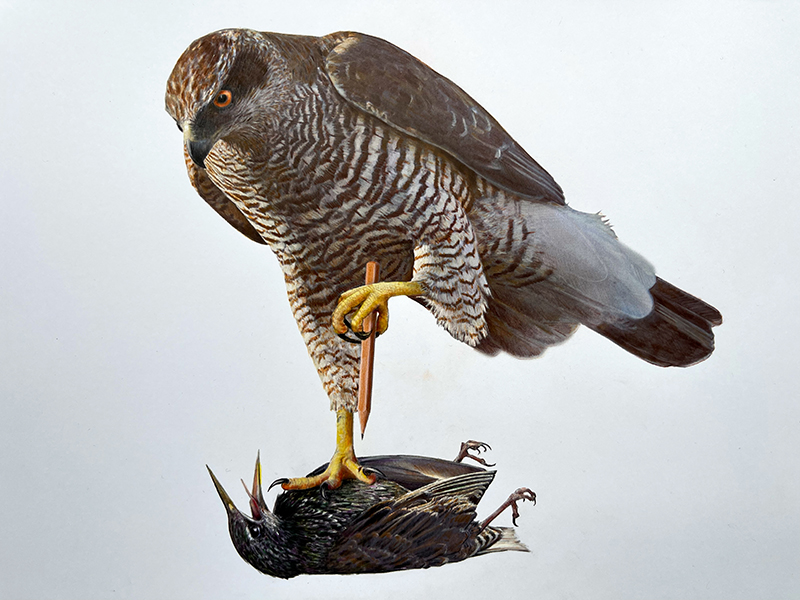
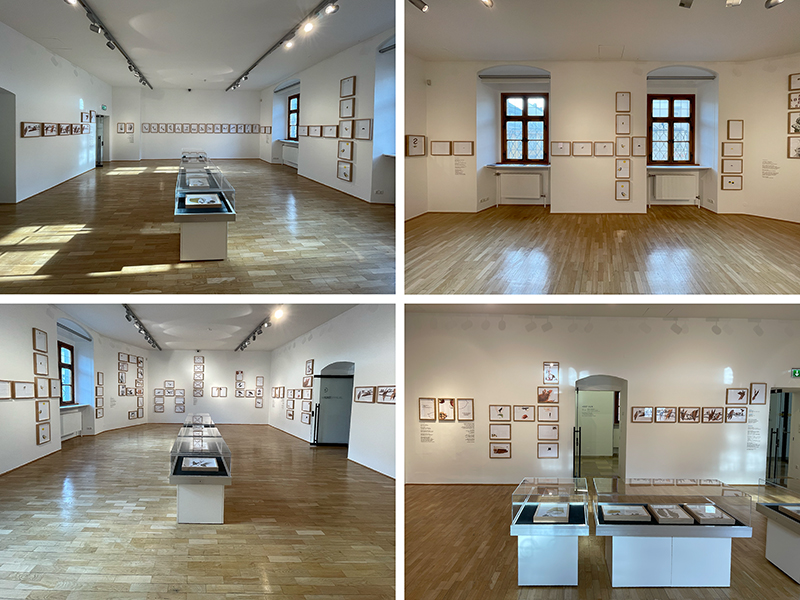
100 Farbstiftzeichnungen
OÖ Kunstquartier, 16.März – 21. Juni 2024
Zeichnung: Jolly-Farbstift auf Papier, ca 42 cm x 30 cm, Eichen-Objektrahmen
 Ausstellungsansichten
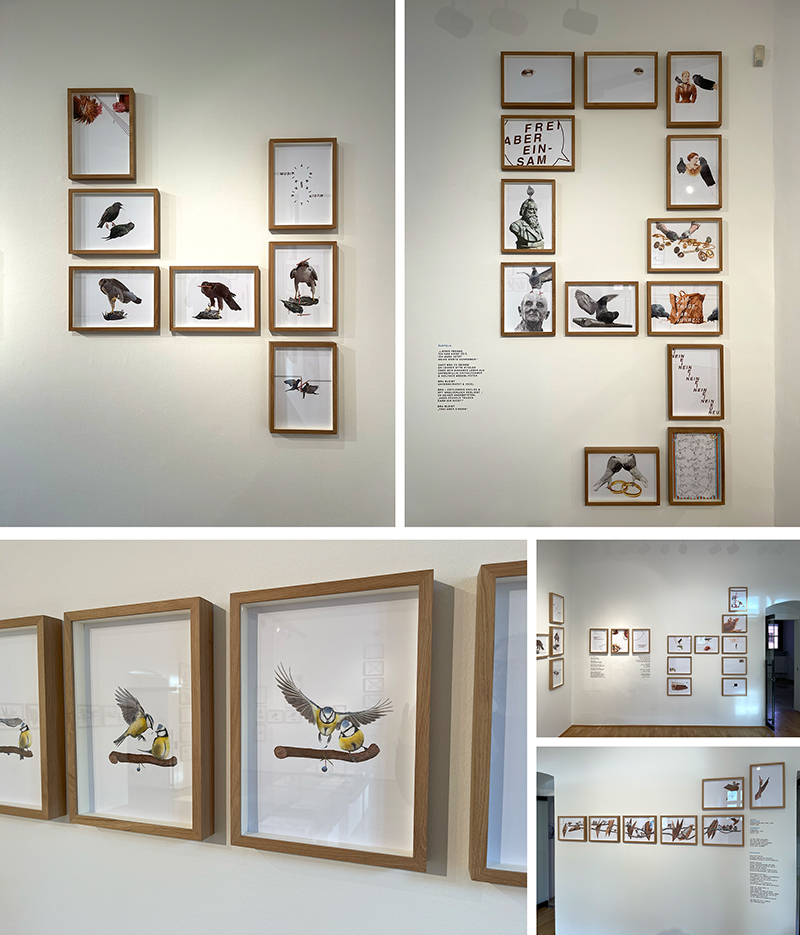
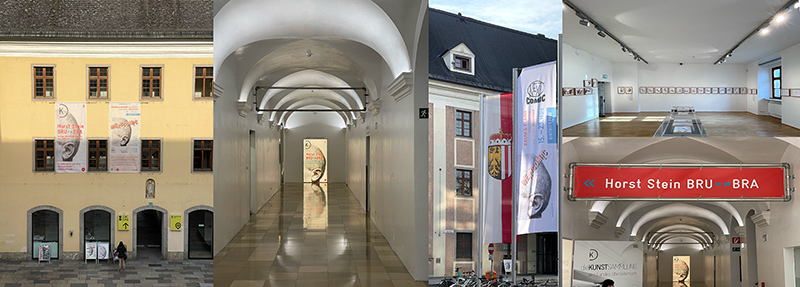
Vernissage 1: Fr 15.3.’24 – 18:00 – KUNSTSAMMLUNG OÖ
Eröffnung: Kulturdirektorin des Landes OÖ Margot Nazzal
zur Ausstellung spricht die Kunstsammlungsleiterin Anneliese Geyer
Landstrasse 31, 4020 Linz, Kunstsammlungs-Galerie im 2.OG
Vernissage 2: Fr 15.3.’24 – 19:00 – nextcomic festival 2024
im Rahmen der Festival-Eröffnung mit AUSTROFRED
"Raum und Klang im Comic – feat. Anton Bruckner“
OÖ Kunstquartier, Ursulinenhof, Linz
+ weitere Führungen am nextcomic "Suuper Samstag“ 16.3.
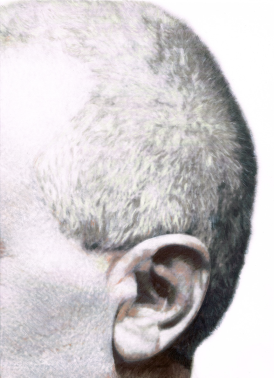
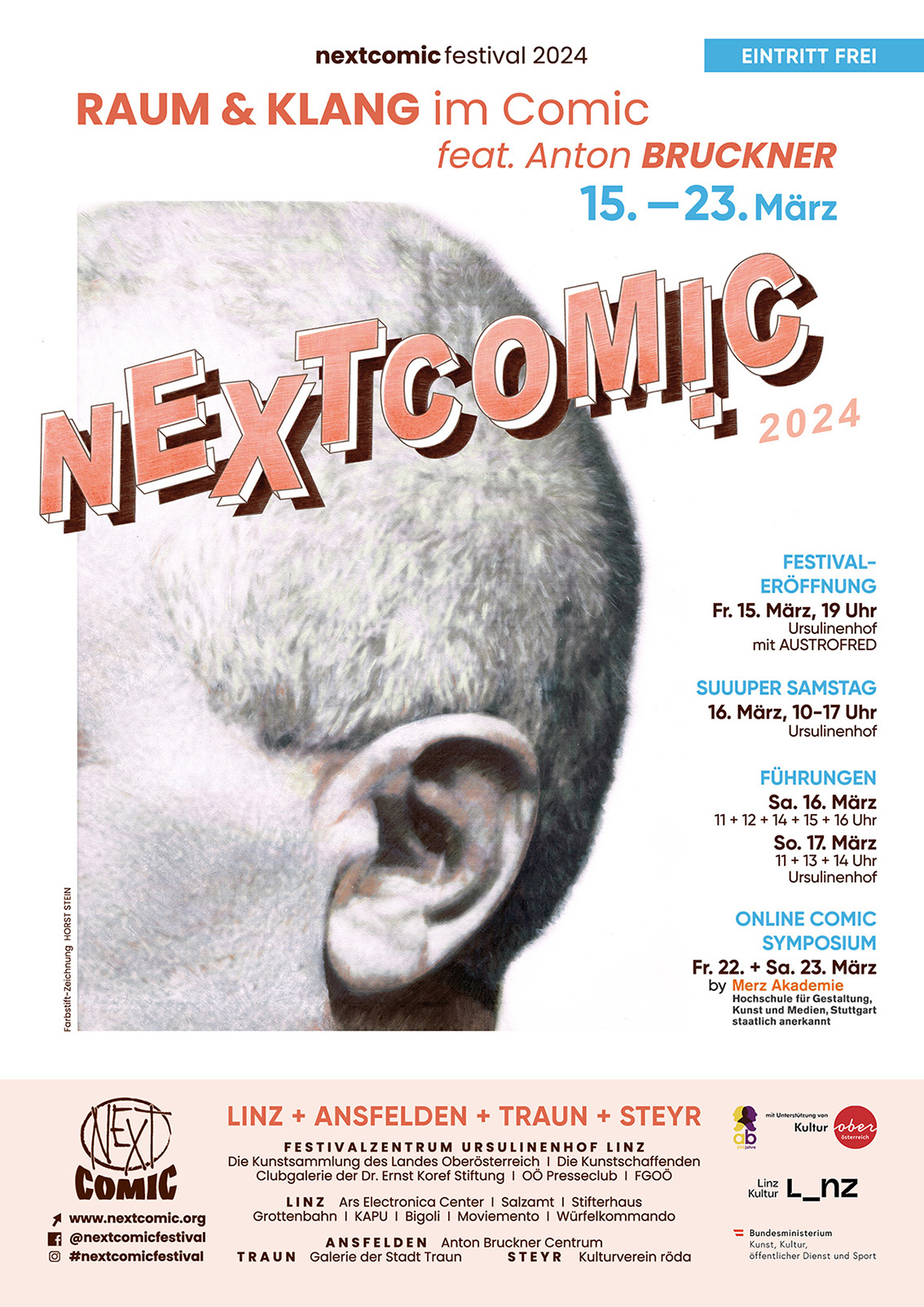
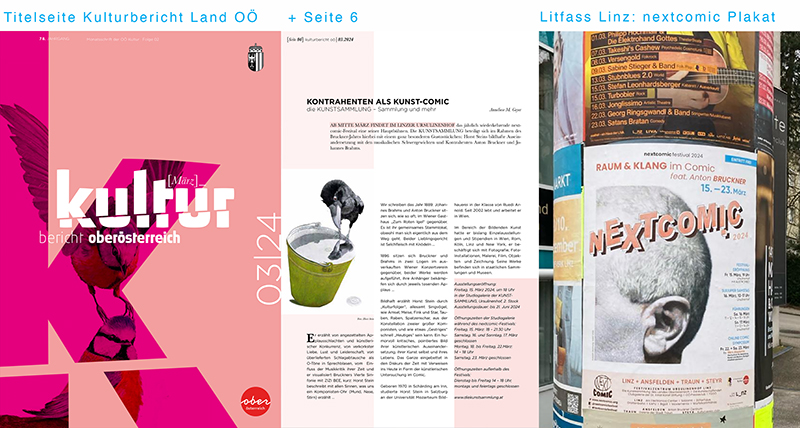
Die Zeichnung von Bruckners Ohr aus meiner Ausstellung
wurde zudem für das gesamte Nextcomic Festival 2024 als Plakatmotiv ausgewählt,
ebenso der nextcomic-2024-Schriftzug.
Die Ausstellung wird für eine Woche (15. - 23. März) ins Festival integriert.
ALTE SCHMIEDE, WIEN
12. Jänner 2024, 19:00 Uhr, Eintritt frei
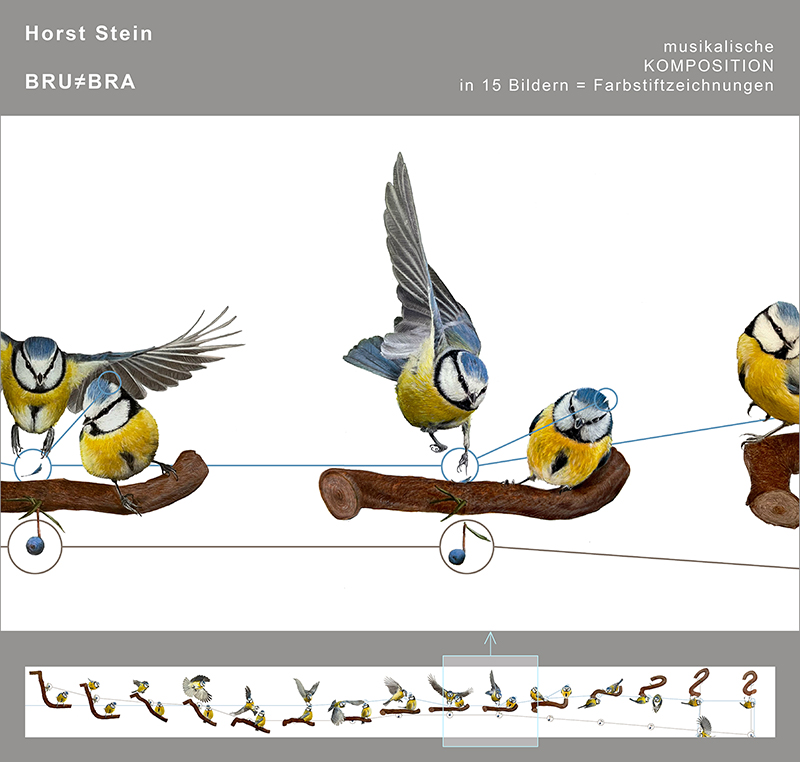
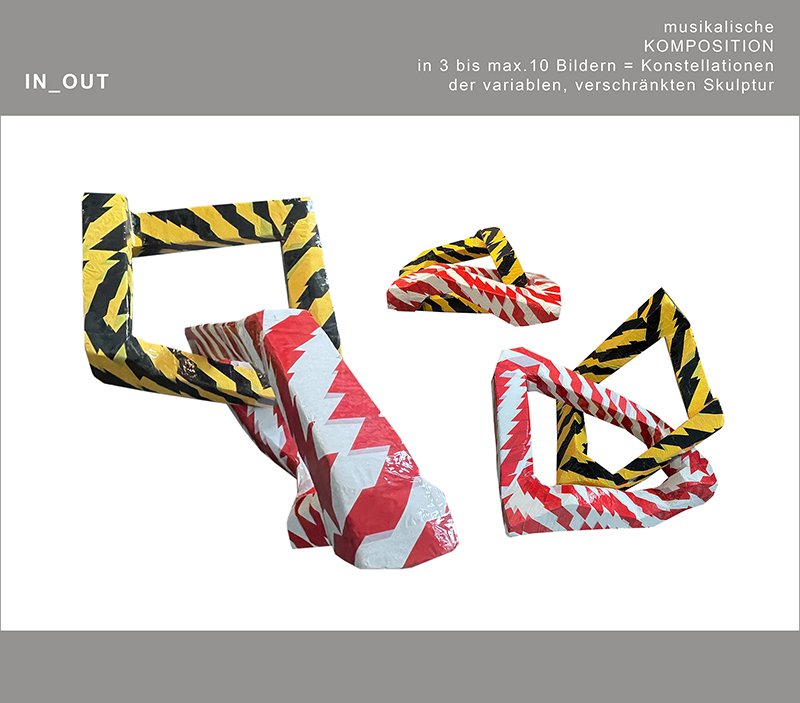
URAUFFÜHRUNG von 2 musikalischen Kompositionen in graphischer bzw. skulpuraler Notation
1: BRU≠BRA
2: IN_OUT
Piano: Janna Polyzoides & Markus Koropp
Ausstellung WIEN
KÜNSTLERHAUS
Vernissage: 14. Juni 2023
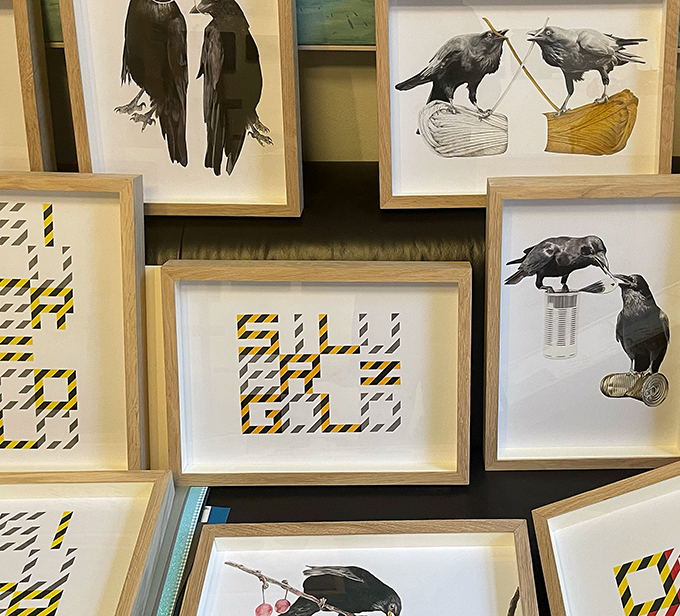
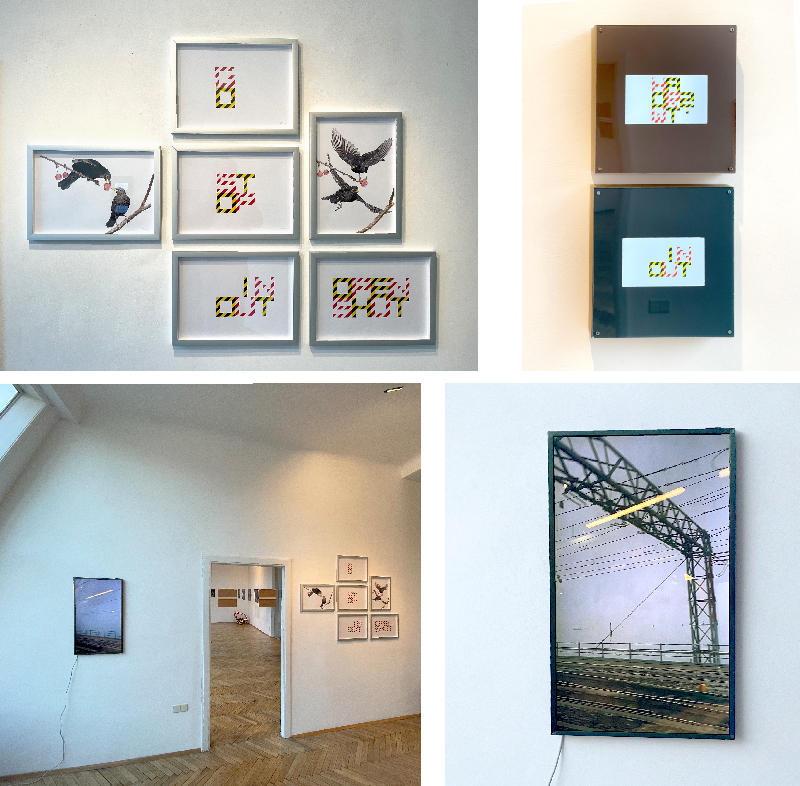
14 Farbstift-Zeichnungen… Vögel & Sperr-Typo
von 15.Juni. - 17. September 2023
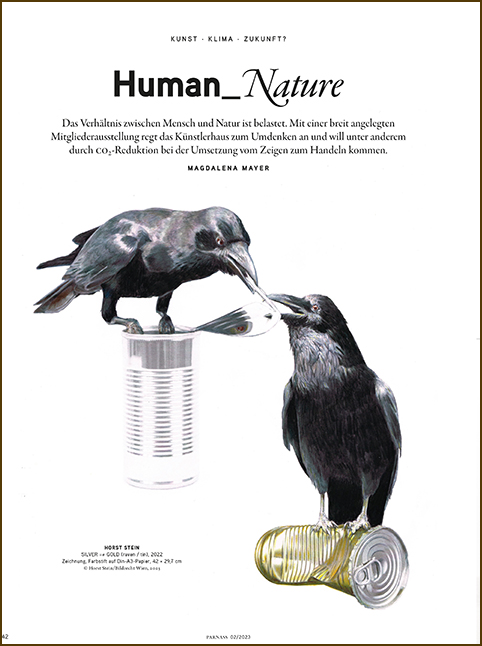
2 Serien: IN_OUT (blackbird), SILVER = ≠ GOLD (raven), 2022
LINK: human_nature
im Kunstmagazin PARNASS
Ausstellung LINZ
IN_OUT (blackbird) … 3 Videos
Galerie:
DIE KUNSTSCHAFFENDEN, OÖ Kunstquartier, Ursulinienof
Videovitrinen 24h sichtbar, von 6. März. - 29. Mai 2023 , Vernissage: Fr 17.3.’23
im Rahmen des nextcomic-Festivals; Eröffnungs-Rundgang ab 18:00 Uhr
Link: LINZ_nextcomic
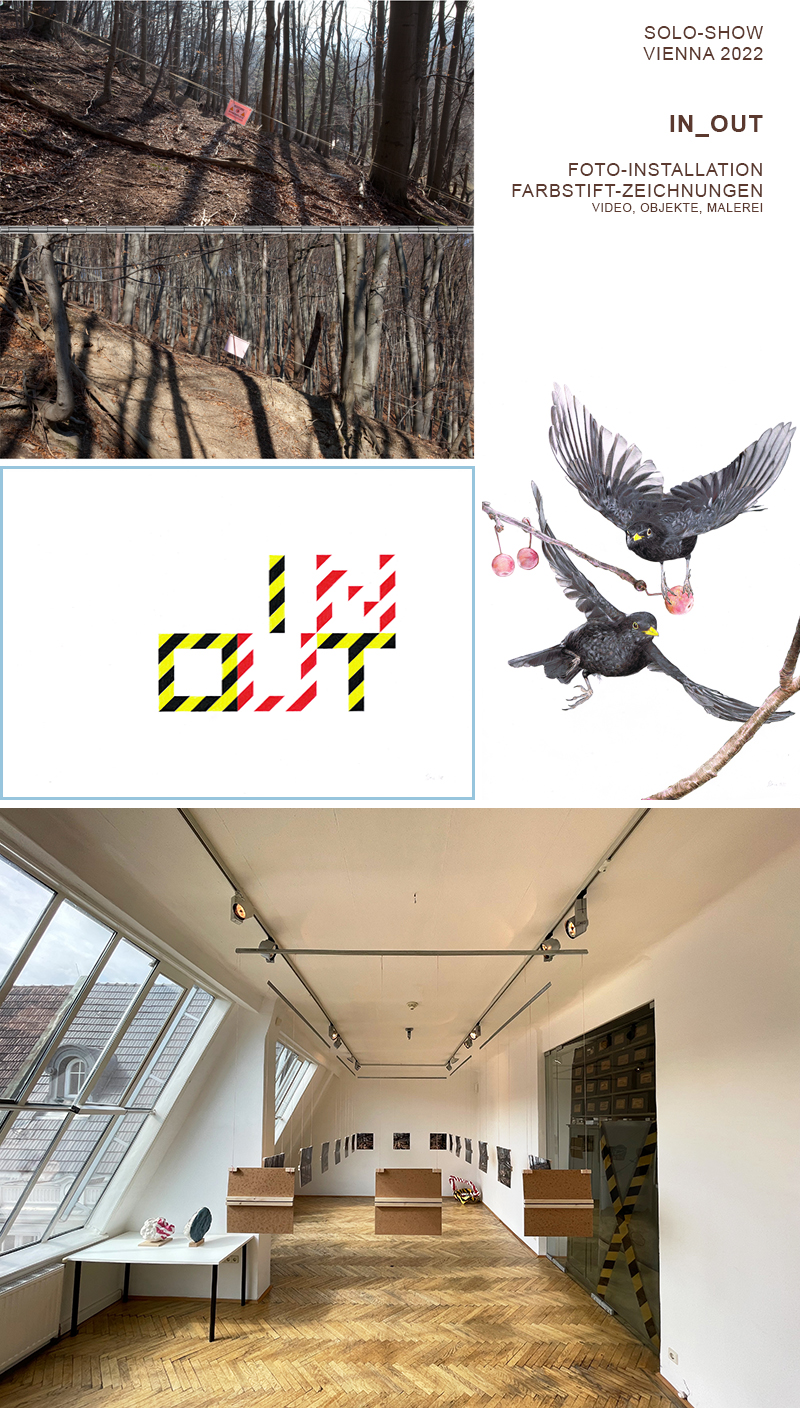
Einzel-Ausstellung WIEN
Wien
IN-OUT
Vernissage: Do 24.3.’22 - 19:30 Uhr
bis 27.3.
Do - open end, Fr 16-20, Sa So 14-19
direkt hinter dem Volkstheater
Museumsstr. 5, 1070, Atelier Setzer-Tschiedel
FotoWien
(Fotoinstallation, Malerei, Zeichnung, Objekt, Film)
* Metamorphosen des C.
11. bis 19. März
Mo-So 11-19 Uhr
OÖ-Kulturquartier - 1OG
Linz
nextcomic
2022 * Ausstellung, Schätze aus 20 Jahren
+ Karikaturmuseum Krems
2021 letzte Kuratorenführung Do 27.1.2022 - 16:00 Uhr
21.02.2021 bis 30.01.2022
am Eröffnungstag = Samstag, 20.02.21 = Eintritt frei (10.00 bis 17.00 Uhr)
von mir hängen die Original-Arbeiten zur Grafic Novel „Die Haydns“ link
2020 * 25.7.2020, Zeitung "Der Standard": Pinsel-Zeichnungen #1- #44 Metamorphosen D.C.
Panorama-Doppelseite Horst Stein - im Album der Wochenendausgabe
& online auf: derStandard.at/Kultur - zum Durchklicken + Freedownload des E-Books
* "DICK & STEIN" - A TRUE EUROPEAN GIN - start of sales: mid september
www.dickandstein.com & instagram: #dickandstein
* Juli, Österreichische Gesellschaft für Comicforschung = oege.com
online Podiumsdiskussion CoMon
... guests: Barbara Margarethe Eggert, Renate Mowlam & Horst Stein
* #_horst_stein
* Grafic novel: IN - OUT ... Buchprojekt
2019 * 4 Filme im Künstlerhauskino, 9. April, 20:00, Karlsplatz 5, 1010 Wien
link zur Veranstaltung: Künstlerhaus-Kino: FREIES KINO
* Galerie 1Blick, Hallein, Mai 2019, Einzelausstellung
* FOTO WIEN, Atelier Setzer-Tschiedel, Einzelausstellung im März
SMUZ: Foto-Betonobjekte, Videos,
Objekt-Rauminstallation mit 5m langem Selfie-Stick
Photoatelier Setzer-Tschiedel , Museumstraße 5
2018 * Vernissage: Kunstverein Baden, Freitag 16.Nov. - 19:00 Uhr
17. Nov. 2018 - bis 20. Jänner 2019
AHOI: Malerei, Objekte, Fotografie
Group-Show (mit Delhougne und Bendel)
2017 * Atelier-Stipendium OÖ, Stonborough-Wittgenstein-Villa, Gmunden
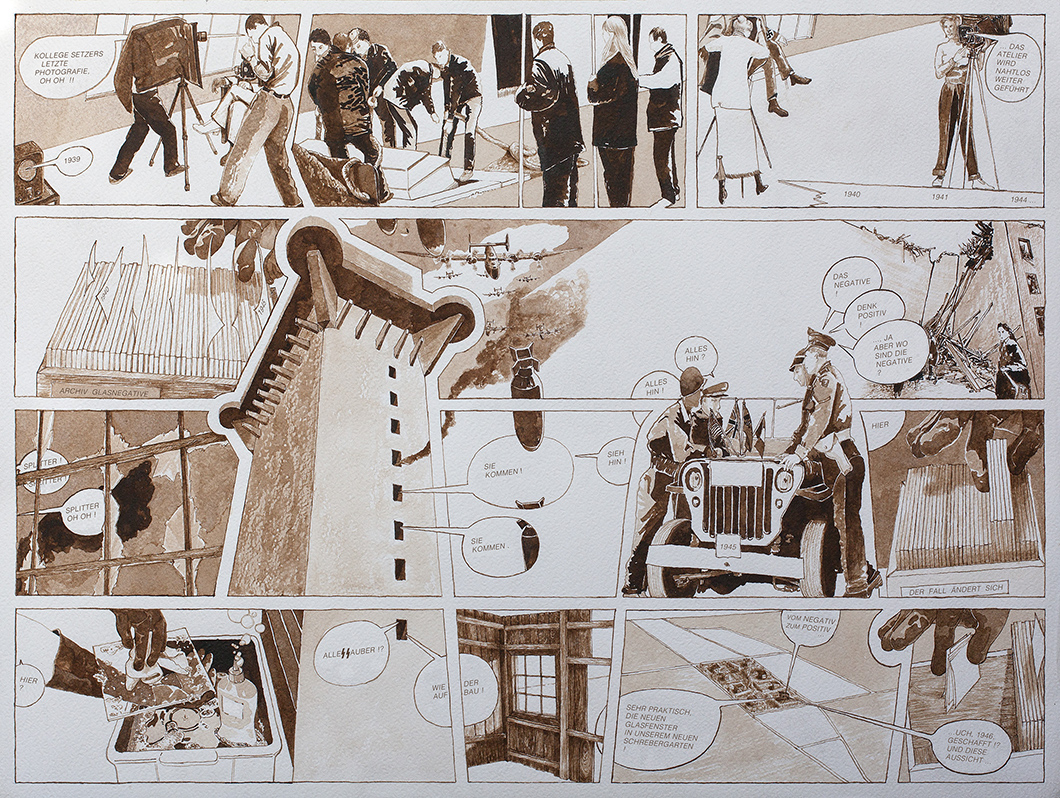
* Grafic novel: The Haydns , Dauerausstellung im Haydn-Geburtshaus (Einblick)
Sepia-Tusche auf Bütten, im Besitz der Kunstsammlung NÖ
2016
* Group-Show: ZICKZACK, Salzburg, Mozarteum, Leporello-Projekt, Vernissage 16.11. 18:30
im Foyer, Mirabellplatz 1, 17.11. bis 16.12.
Presse: Radio Ö1 - Horst Stein zu DURCHSICHT in "Von Tag zu Tag", link (bis 8.11. hörbar)
und Zeitung Standard (print +online)
* Solo-Show: Projekt DURCHSICHT
4.11. bis 15.11. 2016 - Vernissage: 4.11. ab 19:00
MO-FR 18:00 – 20:30
hinter dem Volkstheater, Photoatelier Setzer-Tschiedel
Dachgeschoss Museumstraße 5, 1070
im Rahmen von eyes-on, Europäischer Monat der Fotografie
+ Katalogbeteiligung EYES-ON 2016
+ Podiumsdiskussion im MUSA am 24.11., 19:00, unter dem Titel
Eyes-on-Talks # 5 - Beyond Time ...
Es geht um Fotografie als Medium der Erinnerung und als Instrument
des kollektiven Gedächtnisses, wie dies immer neu bewertet wird
und bewertet werden muss.
Gäste: Herbert justnik, Volkskundemuseum - Frauke Kräuter, Wienmuseum Georg Luks, Kurator - Horst Stein, Künstler
Moderation: Andreas J. Hirsch
+ Eyes On Walk #Beyond Time - Fr, 11.11., ab 16 Uhr
Treffpunkt: Österr. Museum für Volkskunde, Laudongasse 15-19
1080 Wien Dauer: ca. 2 Stunden, Ankunft Atelier Setzer ca. 17:45 +
Brot und Wein
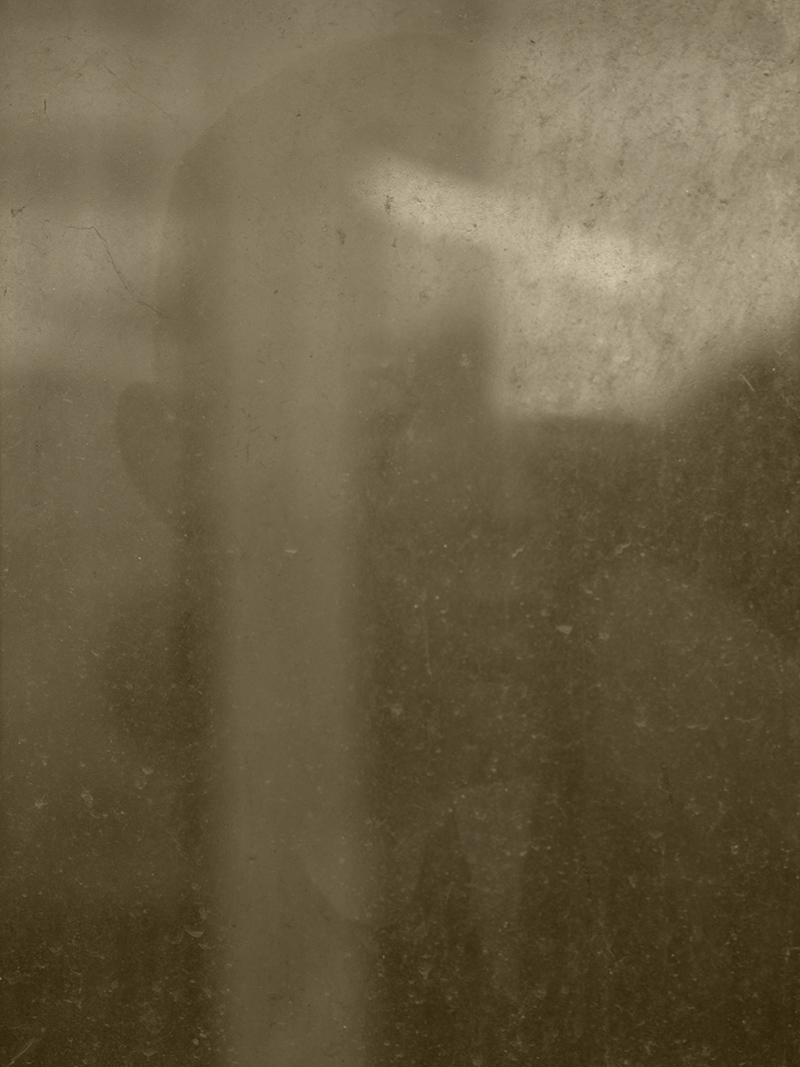
Der Krieg – zwischen Erinnerung, Sichtbarmachung und Inszenierung – ist das verbindende Thema der drei Ausstellungen, die im Rahmen dieses Walks besucht werden: Fotoalben von österreichischen und deutschen Wehrmachtssoldaten, der Iran-Irak-Krieg zwischen Original und Inszenierung und der Versuch einer „Reinwaschung“ auf Glasnegativen der Fotoateliers.
Stationen:
Österreichisches Museum für Volkskunde: Fremde im Visier. Fotoalben aus dem Zweiten Weltkrieg
Bildraum 07: Sacred Defense
Photoatelier Setzer-Tschiedel: Durchsicht
* Group-Show: BordA
10.11. bis 13.11. - Vernissage 10.11. ab 19:00
im Studio III, 1120 Wien, mit Bendel und Delhougne
im Rahmen von eyes-on, Europäischer Monat der Fotografie
* Solo-Show: SENDER
July - August 2016, Kunstraum □□□□□■, www.llllll.at, Vienna
photographie & installation
großformatige Bilder - live gemalt zum Chor „Gegenstimmen“
& improvisierenden Musikern
1: 7.6. im WERK X (Oswaldgasse 35a, 1120 Wien)
2: 20.6. im BRUT (Karlsplatz, Wien)
2015
exhibition: sauvignon - selection 14/15
mo.e
Thelemangasse 4/1 1170 Vienna
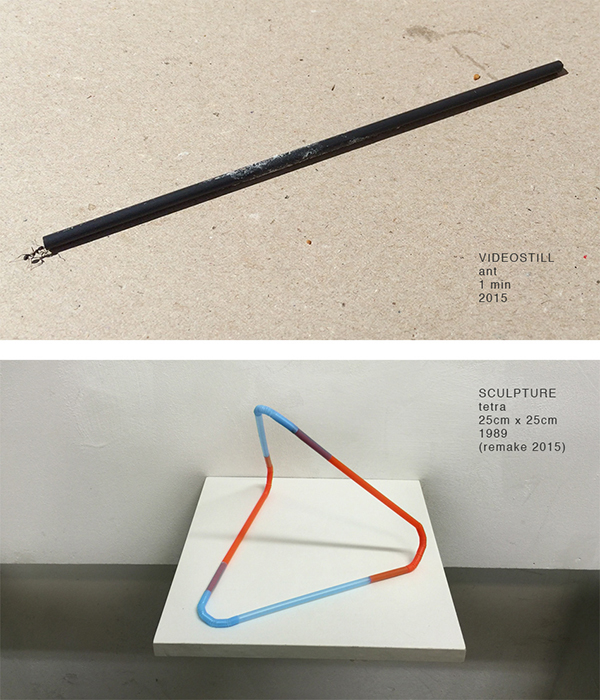
video & sculpture
www.moe-vienna.org
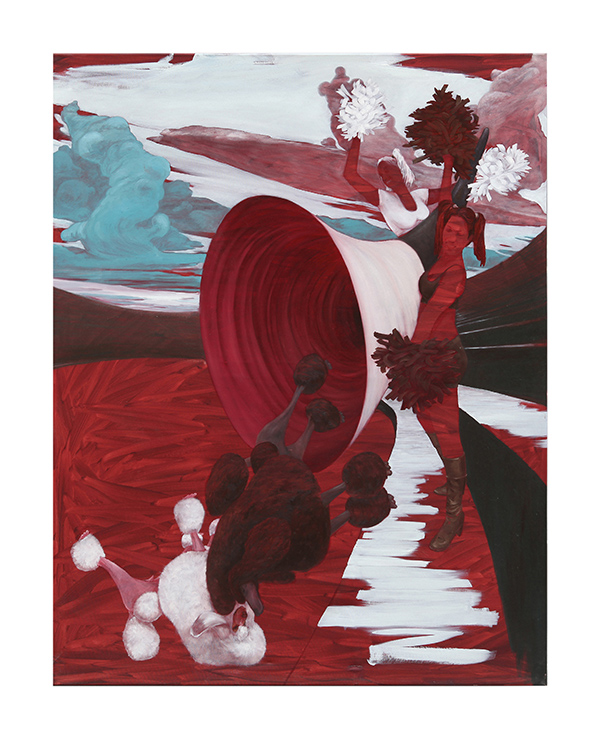
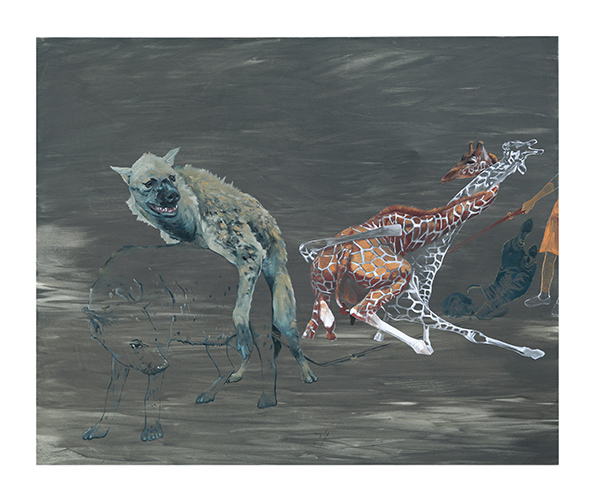
- Solo-Show: PAINTINGS, oil on canvas, "HORN, reloaded"
Vienna, Galerie Reinthaler , opening: January 20, 2015, 19:00
January 20 - February 28, 2015
whole series download: HORN_reloaded_web.pdf (17.83 MB)
rieview art-magazine "HORN, reloaded": link
"HORN, reloaded - arena", 125cm 160cm
"HORN, reloaded - animal", 195cm x 160cm
__________________________________________________________________
2014
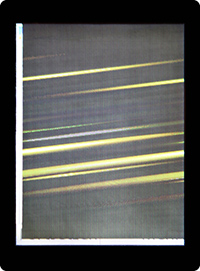
- NEO GEO MOBILEPHONE, photography-objects, Vienna, art-space: moe
opening: 11.11. 2014 - 19°°
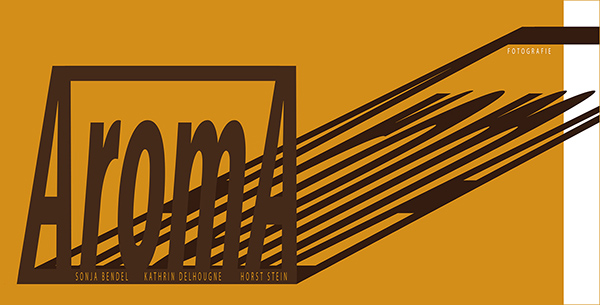
part of the exhibition "AROMA"
together with Sonja Bendel und Kathrin Delhougne
eyes on (month of photography)
moe, Thelemanngasse 4/1, 1170 Vienna, www.moe-vienna.org
Nov 12 - Nov 16 17°° - 21°° (sa 12°° - 23°°)
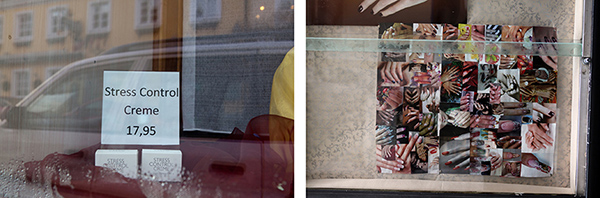
- AUSTRIA ABSURD, 23 diptychs, photography, Vienna, Galerie am Park,
opening: 28.10. 2014 - 19°°
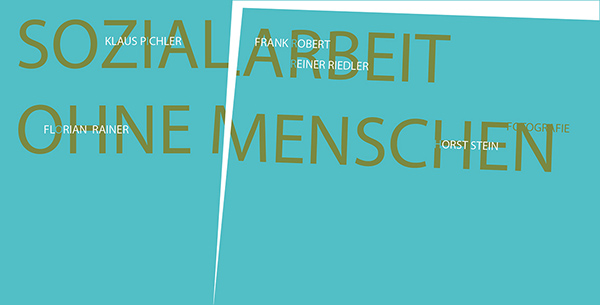
part of the exhibition "SOZIALARBEIT OHNE MENSCHEN"
together with Reiner Riedler, Frank Robert, Klaus Pichler und Florian Rainer
+ catalog; eyes on (month of photography)
1060 Vienna, Liniengasse 2A/12A (close to Gumpendorfer- / Otto-Bauer-Gasse)
Oct 29 - Nov 7 mo-sa 15°° - 19°°
2013
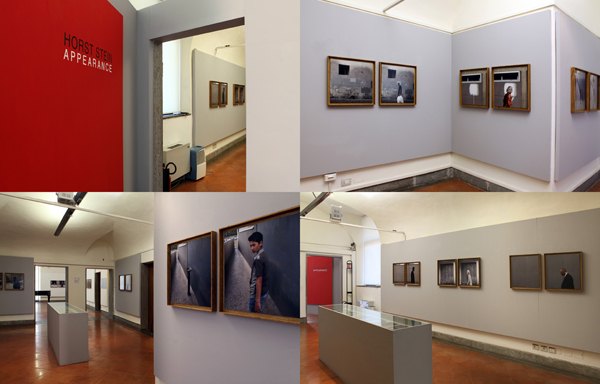
Rome, solo-show, Museo di Roma ... "Appearance", new selection
opening July 11, 18 00 - till October 27
introduction words and interview by Marco Delogu:
direttore di FOTOGRAFIA = Festival Internationale di Roma
+ participation at FOTOGRAFIA
guided tour with the artist on Oct 11, 18:00 - 19:45
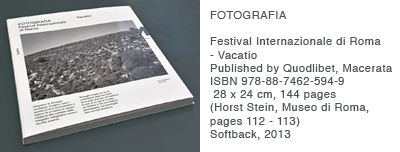
+ catalog (with Jeff Wall, Tim Davis, Guy Tillim, Patrick
Faigenbaum ...and others; ISBN 978 88 7462 594 9)
invited by "forum austriaco di cultura, Roma"
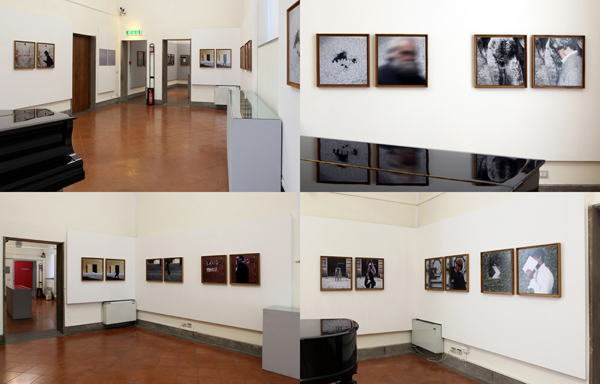
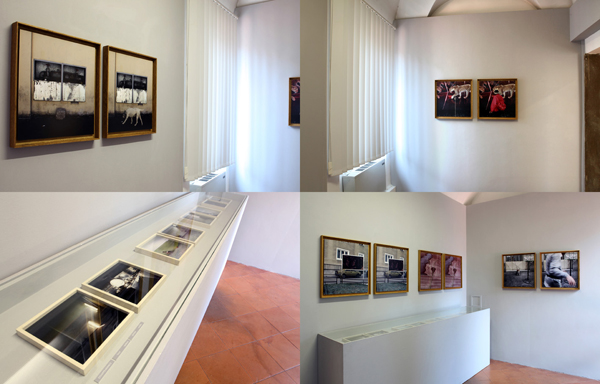
-
magazin PHOTONEWS, Hamburg, Portfolio Horst Stein, Appearance, issue July/August 2013
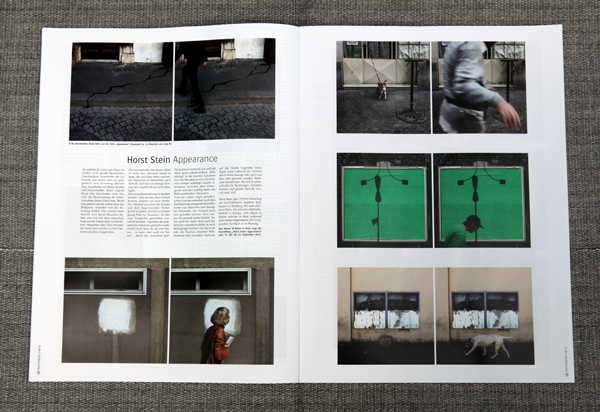
-
Fotoforum Braunau "Appearance", new selection of works ... topic: " In Bewegung I "
opening April 12, Apr 13 - May 12 & catalog
curated by Petra Noll with G. Lampalzer, C. Ludwig, H. Stein
introduction-words by Petra Noll and Horst Stein
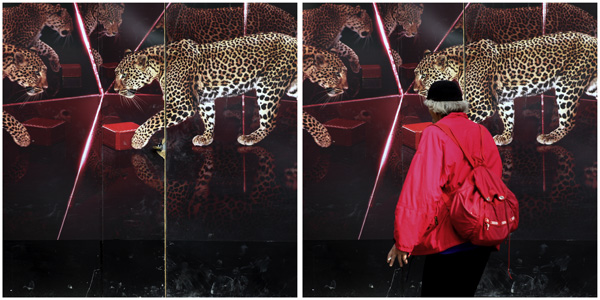
-
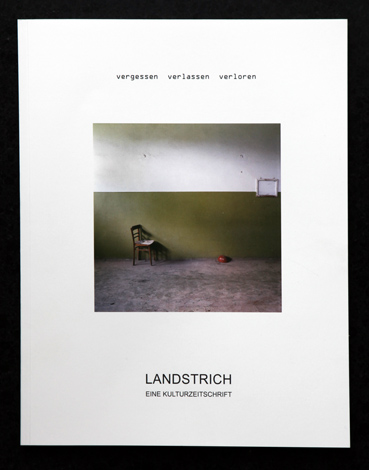
cover-photo "Disappearance - Sitting", magazin "LANDSTRICH" (KUNST/LITERATUR-Zeitschrift)
with articles from Bodo Hell, Friederike Mayröcker, Julian Schutting, K.F. Kratzl, M. Chobot ...
ISBN: 978-3-9502858-6-4
presentation: Alfred-Kubin-Haus, Zwickledt, June 9, 15:00
eyes-on 2012
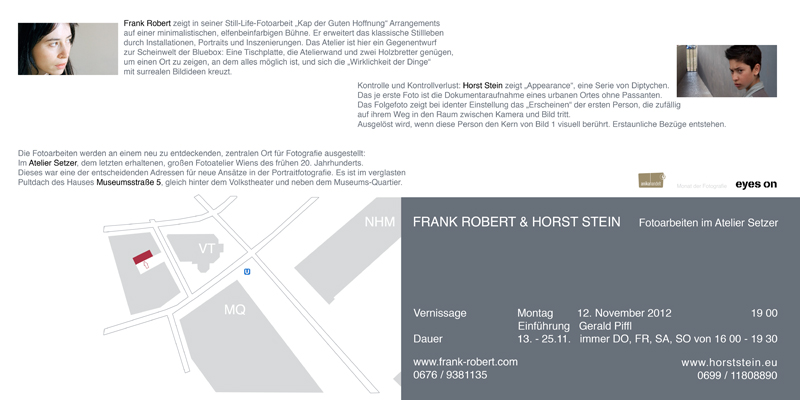
exhibition Horst Stein / Appearance + Frank Robert / Still Lifes
Atelier Setzer = last existing daylight-atelier from the beginning of the 20.century
Opening: Nov 12 - 19 00 , Words: Gerald Piffl
Nov 12 - Nov 25, ... Th, Fr, Sa, Su 16 30 - 19 30
Die Fotoarbeiten werden an einem neu zu entdeckenden, zentralen Ort für Fotografie ausgestellt:
Im Atelier Setzer, dem letzten erhaltenen, großen Fotoatelier Wiens des frühen 20. Jahrhunderts.
Dieses war eine der entscheidenden Adressen für neue Ansätze in der Portraitfotografie ... Freud, Schnitzler, die Familie Ephrussi ... Es ist im verglasten Pultdach des Hauses Museumsstraße 5,
gleich hinter dem Volkstheater und neben dem Museums-Quartier.
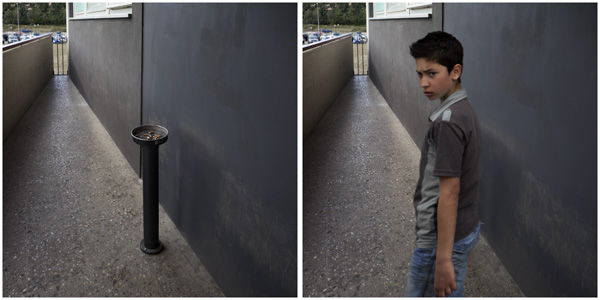
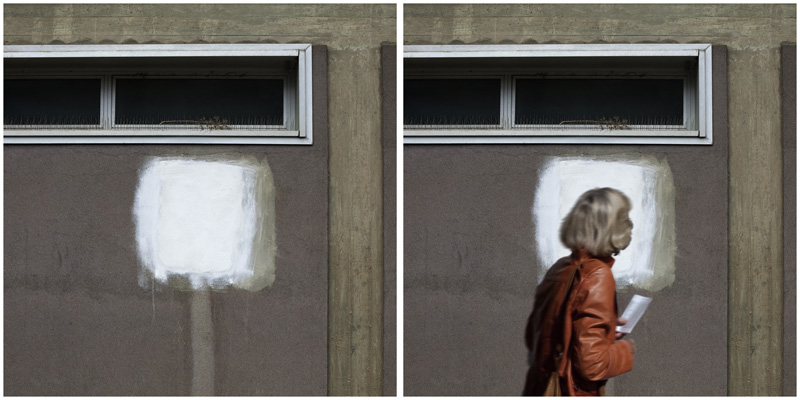
the series Appearance is on magazin PONCZ
anikahandelt APPEARANCE April-June 2012
opening 19.4.2012, 19 00, introduction: Herbert Justnik
20.4. - 16.6.2012
Artist-Talk 30.5.2012 - 19:30
Appearance_Text_Herbert_Justnik_Kurator.pdf (63.71 KB)
Appearance_short_text.pdf (583.25 KB)
internal link to whole series: Appearance
atelier Rome
Federal Ministry for Education, the Arts and Culture
Camera Austria 115
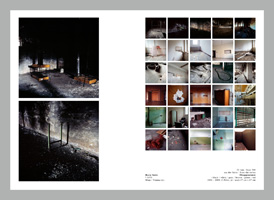
Fotofestiwal Łódź May 2011
curator: Celina Lunsford ... Artistic director of Fotoforum Frankfurt
2011, May 5-15
GUN+ catalog
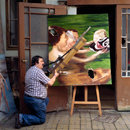
Fotoforum Braunau (BUM) 2011
opening April, 29th ...with Judith Pichlmüller and Johann Lurf
Dangerous_Minds_concept.doc (48.50 KB)
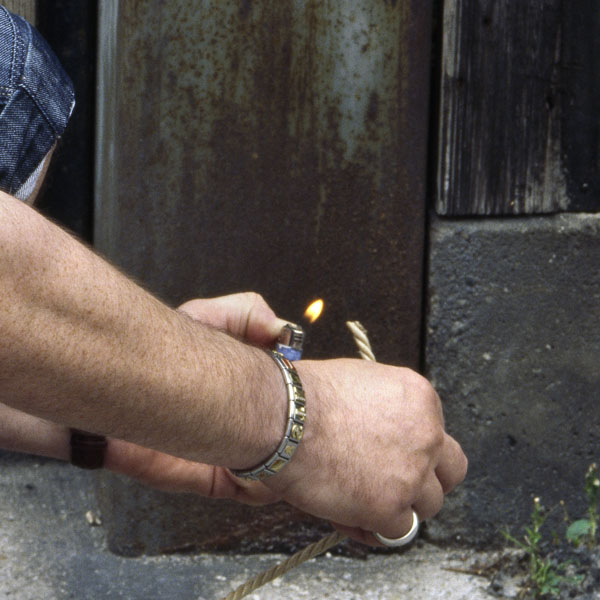
SIMULATION 05 (GUN)
Projektraum Watt + atelier
Rückertgasse 20, 1160 Wien
selected works from SIMULATION (Stiller) 1 room + DOCUMENTATION (2 projects) 1 room +
1 room mixed (GUN, ...)
opening: 3.11.2010 19 00
open: every Monday - Tuesday 16 00 - 20 00 + upon request: 0699 11808890 ... till end of Nov.
part of the series APPEARANCE

SIMULATION 04 Cologne
opening: 30.10.2010 19 00
selected works from SIMULATION
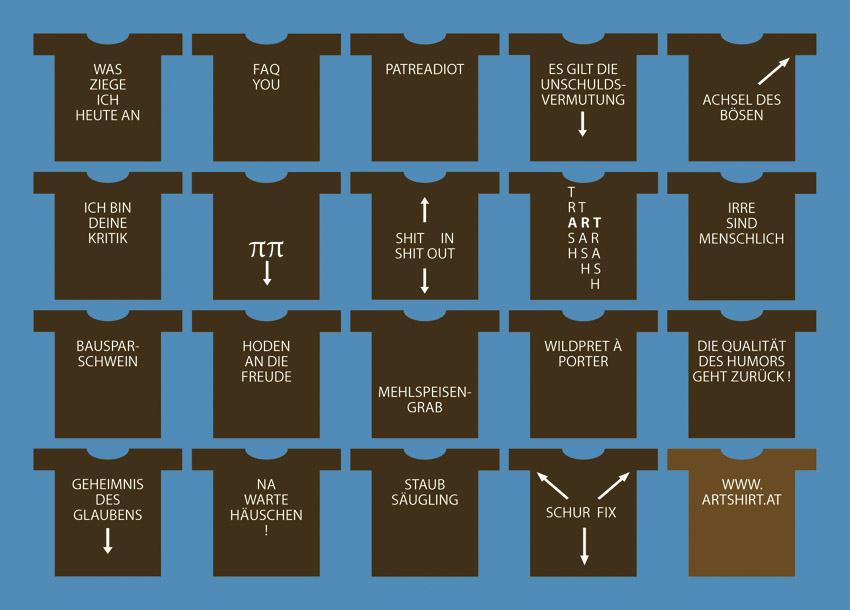
arT-SHIRT
öffentlichen Einrichtungen österreichweit ein arT-SHIRT Film
B Lange Nacht der Museen in LINZ im Kunstmuseum LENTOS, 2.10.2010
arT-SHIRT ist Teil des Projekts HOTEL LENTOS *****
arT-SHIRT
ein Grenzgang zwischen konkreter Poesie, Kunst und Bestellbarkeit ... im Kleid der Ironie.
An die 600 Sprüche zu den Themen
Körper / Sex / Polit / Architektur / Kalauer / Mundart / Kunst / Mode -
darunter auch Modelle, die nicht getragen werden sollten ...
sichtbar und bestellbar als individuelles T-SHIRT ON DEMAND auf www.artshirt.at
Ausstellung am Mittwoch, dem 21.4 um 19 00 im Buchkontor, Kriemhildplatz 1, 1150 Wien
Die Produktion der Leuchttafel wurde von Cyberlab,Wien unterstützt.
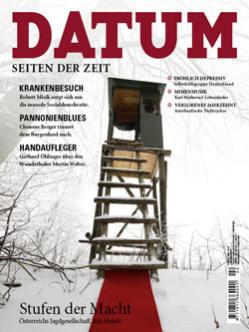
Datum
Artikel: Sender
Fotografie: Horst Stein / Text: Herbert Justnik
related link: datum.at (vollständiger Artikel in der Printausgabe)
related link: horststein.eu/SENDER
6-seitiger Artikel in der Februarausgabe zum Fotoprojekt SENDER
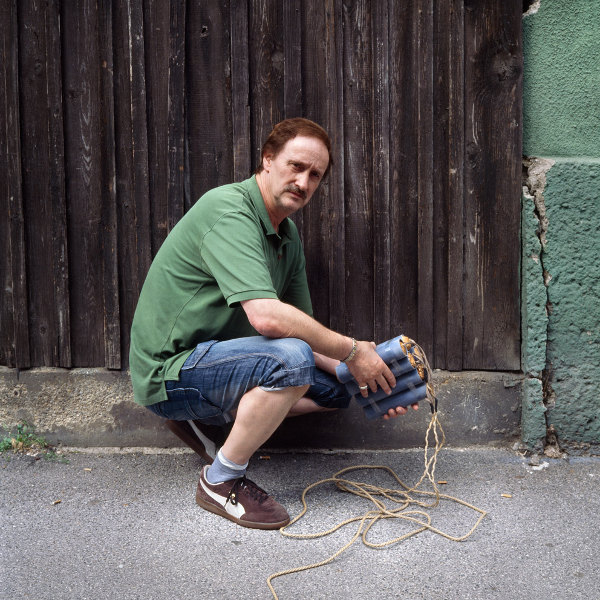
BUM
Einzelausstellung
BUM. Jede Ironie birgt eine Drohung. Über den gegebenen Verhältnissen
liegt lediglich eine dünne Kruste aus Belanglosigkeiten. Ein Zustand mit Sprengkraft.
Zündfadengeheftete Einzelbilder. Attrappe und Original ähneln einander.
Der die Lunte zündet, ist – wie wir wissen – Teil der Simulation. BUM.
Eine Fotoarbeit von Horst Stein.
Eröffnung: Donnerstag, 22. Oktober, 2009
23.10.2009 bis 9.1.2010
Yppenplatz 5/4
A-1160 Wien
www.anikahandelt.com

BUM_Pressetext.pdf (27.91 KB)
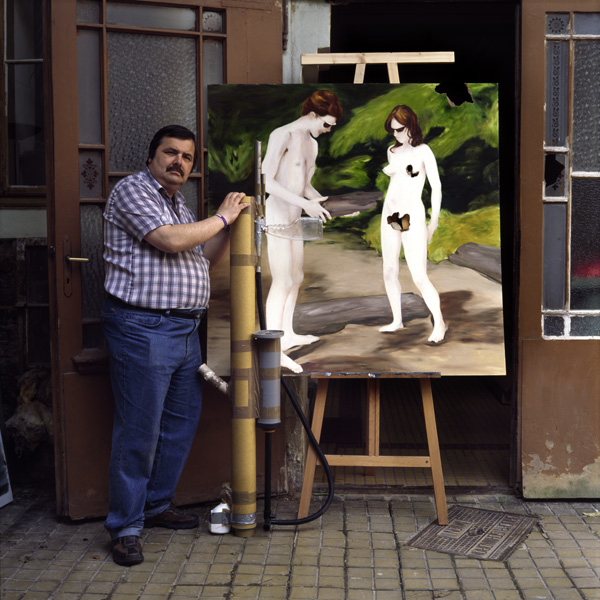
HP Garcia Gallery
Photography - Couples
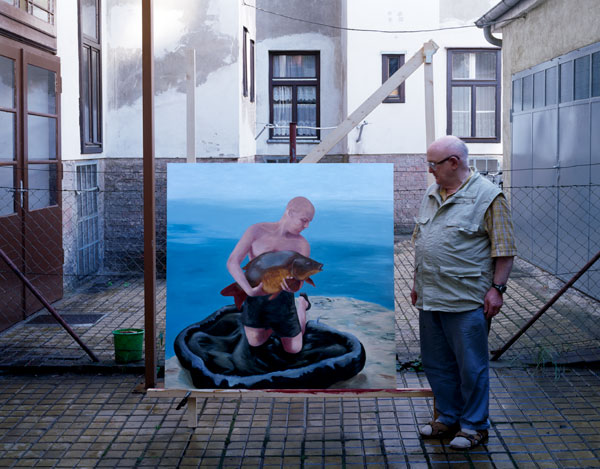
Synopsis: This solo exhibition features new provocatively bemusing photographs by the Austrian artist Horst Stein, depicting seemingly unsophisticated onlookers as models posing in front of the artist's paintings. Stein’s seductive images touch upon commodity fetishism, dissect voyeurism and pornography while exploring the complex relationship between the viewer and the artwork.
Reception: Wednesday, 10 September 2008, 6 - 8 pm
Exhibition: 9 September - 4 October 2008
Hours: Tues.-Sat. 1- 6 pm
580 Eighth Avenue, 7th Floor
(between 38th & 39th Streets)
New York, NY 10018-3080
hpgarciagallery.com
T 212 354 7333
read more: Summary of conversation between Horst Stein and Karen Peters
anika01
Mi, Fr 15 - 20 / Do 15 - 21 / Sa, So 11 - 18
opening reception 26.2. / 19 00 / Brick5
group-show with Michaela Bruckmüller / Shailo Djekshenbayev / Peter Granser / Paul Kranzler /
Prof. Erci Lessing / Christoph Lingg / Ernst Logar / Arabella Schwarzkopf / Horst Stein
www.anikahandelt.com
H P GARCIA GALLERY
Exhibition: through 13 August, 2007
Summer hours: Wednesday - Friday 1 - 6 pm
H P GARCIA GALLERY
580 Eighth Avenue @ 38th Street
New York NY 10018
212 354 7333
NOT WHAT BUT WHERE
JOSE LUIS AGUILO
EMILI AMETLLER
MARTIN BERNSTEIN
GUDJON BJARNASON
JOSE MANUEL CIRIA
ADGER COWAN
MARGARET EVANGELINE
YUTAKA INAGAWA
KEVIN McGRATH
KEN RESSEGER
NATHAN SKILES
HORST STEIN
New Art Center
HORST STEIN
Stranded - PhotographsNew Art Center is delighted to announce an exhibition of photographs “Stranded” by a Vienna based artist Horst Stein. An opening reception for the artist will take place on Thursday, March 8th from 6 to 8 pm. Horst Stein’s seductive images touch upon the ghost of commodity fetishism that circulates in today’s overheated market-driven art world. Clearly, Stein is hardly giving us images drawn from such art scenes in which connoisseurs and collectors navigate amongst other cognoscenti in fashionable city centers to buy, speculate upon or discuss the role and place of art as essential luxury goods which demarcates of the high social status of the rich and educated elite. Instead, through his framing of unprepossessing paintings in the company of seemingly unsophisticated onlookers who are posing in what might charitably be described as unceremonious and often quite prosaic conditions (which are, naturally, antithetical to the proper viewing or appreciating of artworks) Stein creates thought provoking and bemused imagery. His uncliched photographic situations address the unspoken premise that looms large in the art world: that of a higher and higher access and prestige leading to ever escalating cultural (and therefore mon-
etary) capital. His works allow a series of propositions to unravel: who (artist, gallerist, collector, museum curator) gets what (painting, photograph, video, sculpture, installation) seen in which correct (or incorrect) environment and context. Furthermore, Stein’s nimble photographs have a social edge as well in terms of asking who is the “great public” out there that “great” artwork presumably talks (often down) to?
The imagistic cunning of Stein’s photographs depends on his holding in suspension for us as viewers the implication that a work of art (be it painting or photography or a photograph of a painting) is both subject to the conditions under which it is made (produced, exchanged, presented, distributed) and that, moreover, the artwork, on another level, defies those very conditions. Stein has strategically incorporated references to the making of paintings and the recording of such works through another realm of image making (photography) and in so doing brings home the material and immaterial character of the representational image, photography, portrait photography, social realism, storytelling photography or blends of all of these. One might say that as certainty in postmodernism is not an appreciated value, it is the uncertainty principle in Horst Stein’s photographs that sustains their credibility and viability as cultural works of a high order.
New Art Center is open to the public Tuesday through Saturday, from 12 to 6 pm, and by appointment.
For more information and visuals please contact 212.354.2999 or info@newartcenter.net.
580 Eighth Avenue, New York, NY 10018 T: 212.354.2999 F: 212.354.8020 www.newartcenter.net
2007,solo-exhibiton, NewArtCenter, New York, Photography, March/April 2007
Painting and Enigma: the Photographs of Horst Stein
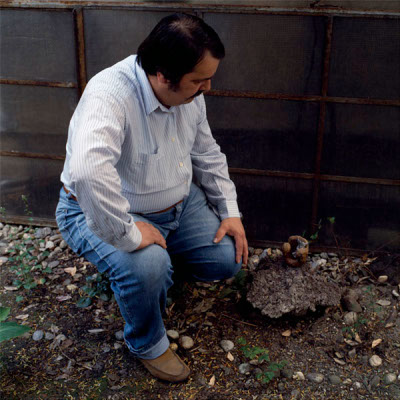
By D.F. ColmanHorst Stein’s photographs teasingly depict the displaying of paintings (either outdoors or indoors). These are seductive images formally and philosophically. The artist’s institutional critique touches upon (perhaps unwittingly or ironically, it is hard to say) the ghost of commodity fetishism that circulates in today’s overheated market-driven art world, its main international art fairs and major cities, such as New York, Miami, Cologne, Berlin, London, Beijing and London.
Clearly, Stein is hardly giving us images drawn from such art scenes in which connoisseurs and collectors navigate amongst other cognoscenti in fashionable city centers to buy, speculate upon or discuss the role and place of art as essential luxury goods which demarcates of the high social status of the rich and educated elite. Instead, through his framing of unprepossessing paintings in the company of seemingly unsophisticated onlookers who are posing in what might charitably be described as unceremonious and often quite prosaic conditions (which are, naturally, antithetical to the proper viewing or appreciating of artworks) Stein creates thought provoking and bemused imagery. His uncliched photographic situations address the unspoken premise that looms large in the art world: that of a higher and higher access and prestige leading to ever escalating cultural (and therefore monetary) capital. His works allow a series of propositions to unravel: who (artist, gallerist, collector, museum curator) gets what (painting, photograph, video, sculpture, installation) seen in which correct (or incorrect) environment and context.
Furthermore, Stein’s nimble photographs have a social edge as well in terms of asking who is the “great public” out there that “great” artwork presumably talks (often down) to? Issues of conspicuous consumption (or lack thereof), visual literacy (or lack thereof) and concomitant references to social status permeate Stein’s imagery lending it a rapier wit. The style occurs through what appears to be Stein’s visual ideology. In presenting images (photos) of images (paintings) in awkward social space with remarkable economy and directness of means the artist’s works allows us to speculate or examine the way that his photographic images makes us see the scenes his pictures represent.
In essence Stein’s imagery isn’t invested so much in making us aware of the pictorial (that is narratological elements within the paintings themselves, that is the curious fish scenes in the Stranded Series photographs in which we see paintings whose subjects refer to mythological space and time) elements that he has painted nor the spaces in which they occupy as much as he is invested in touching upon a new seam of content. This enlarged scope opens up a conversation about art itself being seen and evaluated as cultural capital, which inexorably involves a process of production, presentation and distribution. And yet, there is more at stake here than an implication on the part of Stein that he is observing the limits of interpretation as it relates to historical materialism. He is also through his photographic depictions of paintings in the process of being looked upon by the social bringing into sharp focus his mixed intentionalities that are the calling into consciousness the act of painting and the act of seeing. His photos paradoxically revolve around the phenomenon of presence or aura that all painting possesses by virtue of it being intended to exist as a unique image in the world made by hand at one point in time by one artist. Stein raises questions on the broad humanistic relevance of art-making through its capacity to invoke change (even modest change) through visuality’s claim of being a “universal language” that speaks to everyone no matter what age or social class.
There is to be sure a latent element of wry skepticism that rests within these works; and it is this knowingness on the part of the artist that elevates his images. It carries them beyond the realm of social realism or narrative photography and into a speculative realm of the imagination. This element of wit can be seen in the way that the artist indicates that the claims of the traditional “fine” arts such as painting and sculpture may be specious indeed. In his photographs Stein depicts not appreciative or uplifted beholders of his painterly talents, but rather the opposite. A type of befuddlement, or boredom seems to be the response on the part of the viewers who inhabit the space of the paintings’ sites. This sort of disenchantment seems to be deliberately built into Stein’s photographic ideology; it is after all what he is after: an uncomfortable sensation on the part of the viewer that what we are witnessing as viewers of his photographs is a disconnect between people, between people and art images, and between the photographer/painter and the subjects he is portraying. The paintings we see in the photographs, that are so balefully appreciated by seemingly unknowing or unsophisticated viewers, are the works of the painter who then is photographing their interface with neighborhood friends or family members. This assumption is drawn from the look of familiarity which pervades Stein’s imagery. Yes, the photographs’ tableaux are more likely than not staged; yet the people who were recruited as stand-ins for the “masses” were not, one can conjecture, strangers (or at least do not appear to be so). Yet, of course, one of the reasons for the vitality and charm which sustains Stein’s photo works lies in the fact that there is an irresolvableness and an inconclusiveness, both, which reside within his staged photographs. These two conditions in a manner of speaking are perhaps the most noticeable “actors” in Stein’s mis-en-scenes.
That is not, of course, to say that the pictorial facets of either the context in which the painterly images are placed (kitchen, courtyard) or the subject matters themselves are devoid, inherently, of signification. In fact, quite the opposite holds true: namely, that we can identify and relate to Stein’s artworks (that is the photograph proper) because he has so masterfully implicated the narrative structure and texture within the paintings themselves within the code of the photograph. The imagistic cunning of Stein’s photographs depends on his holding in suspension for us as viewers the implication that a work of art (be it painting or photography or a photograph of a painting) is both subject to the conditions under which it is made (produced, exchanged, presented, distributed) and that, moreover, the artwork, on another level, defies those very conditions. It is this impossible admixture which elevates cultural labor into an artwork.
In other words, there is both more and less than meets the eye in Horst Stein’s images and imagery. Max Raphael in his study The Struggle to Understand Art and Towards an Empirical Theory of Art (1941) makes this dual process clear when he writes “Art is an interplay, an equation of three factors - the artist, the world and the means of figuration …a work of art [is] always a synthesis between nature (or history) and the mind, and as such it acquires a certain autonomy vis-vis both these elements…” Stein has strategically incorporated references to the making of paintings and the recording of such works through another realm of image making (photography) and in so doing brings home the material and immaterial character of the representational image. Moreover, Horst Stein’s photographs are beguiling, as we cannot pigeonhole them as readily as we might think we can or might want to. The enigmatic aspect of Stein’s imagery rests on an important consideration. The photographer has effectively dismantled the category of art “families” or “genres” and “styles” within those families. Such categorical certainties might in an earlier part of the last century have been functional but are no longer in play today. It is hard to say whether Stein’s imagery falls into the camp of documentary photography, portrait photography, social realism, camp, storytelling photography or blends of all of these. In conclusion, one might say that as certainty in postmodernism is not an appreciated value, it is the uncertainty principle in Horst Stein’s photographs that sustains their credibility and viability as cultural works of a high order.